Walk east on Avenida Jiménez past the Banco de la República and the street changes register: men in windbreakers stand in doorways turning small paper envelopes over in their palms, glass-fronted shops stack green stones under fluorescent light, and nobody is pretending this is a tourist attraction first. It is a trading floor that happens to let you in. Colombia supplies most of the world's fine emeralds, and this three-block stretch of central Bogotá — not a mine, not an auction house in Geneva — is where a meaningful share of that stone actually changes hands, in cash, on the pavement, the same way it has for decades.
The district rewards a plan. Go in blind and you'll get a hard sell in the first shop that catches your eye; go in with the sequence below — context first, trading floor second, a real purchase or a real skill only if you want one — and you'll leave understanding the trade rather than just having been shown the highlight reel.
Start With the Story, Not the Stones
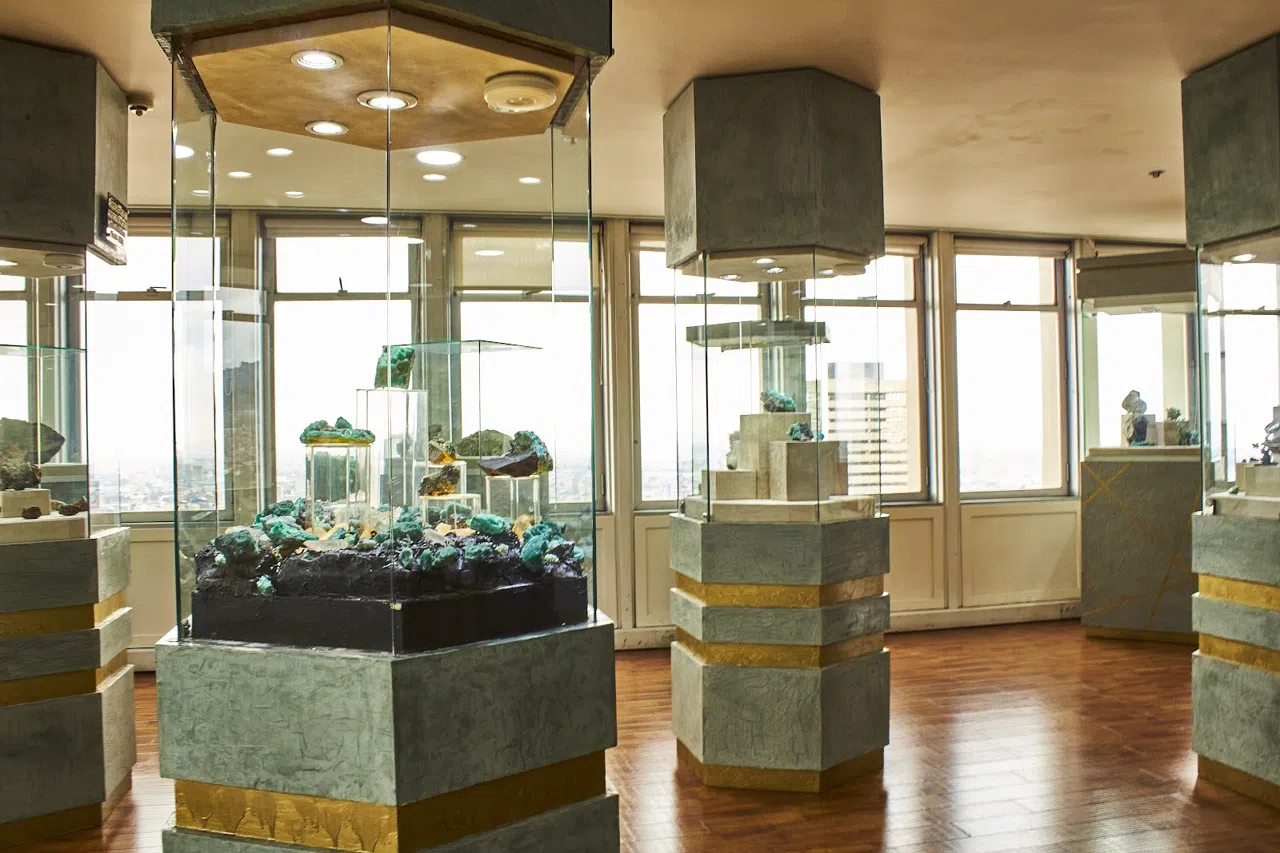
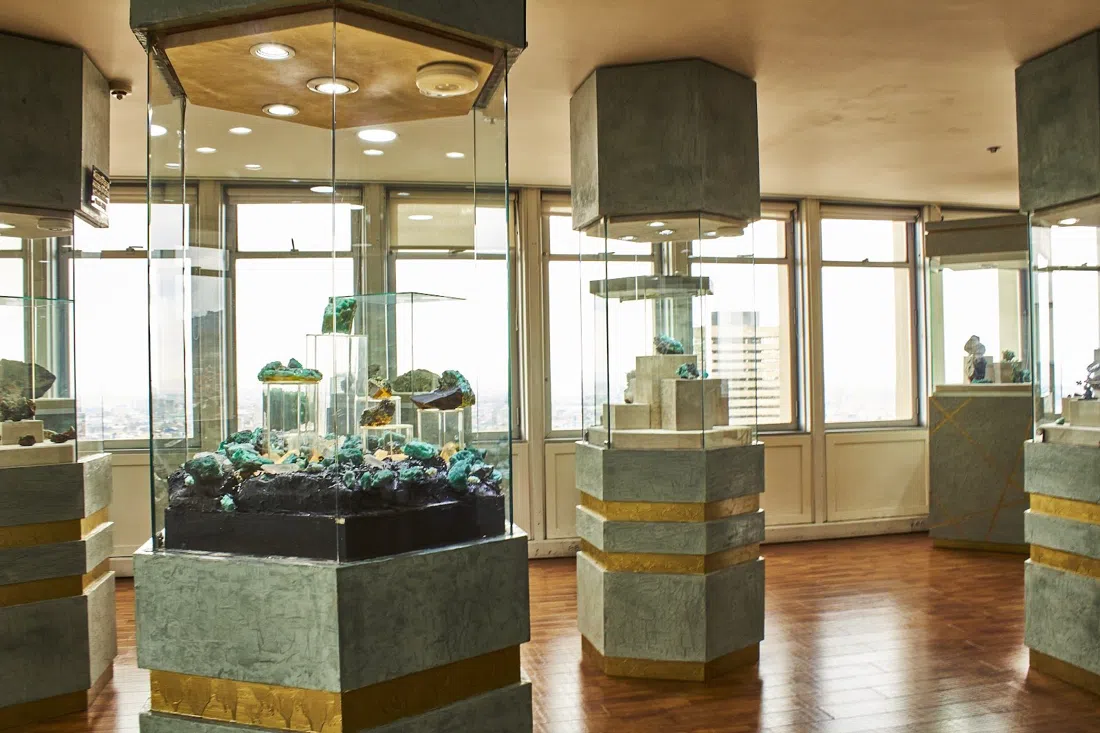
The Museo Internacional de la Esmeralda (International Emerald Museum), in the Centro a short walk from Avenida Jiménez, is the only formal, ticketed emerald museum in the district, and it's worth doing first rather than last — it gives everything you see on the street afterward actual context: how Muzo and Chivor stones differ, how cutters grade for colour and clarity, why a flawless emerald is rarer than a flawless diamond. Self-entry is a token ~COP 6,000; guided tours in Spanish, English, Portuguese or French run roughly USD 25–58 per person and are how most operators, including Bogotravel Tours below, open their itineraries. It closes Sundays, so build your day around that if emeralds are the whole point of your visit.
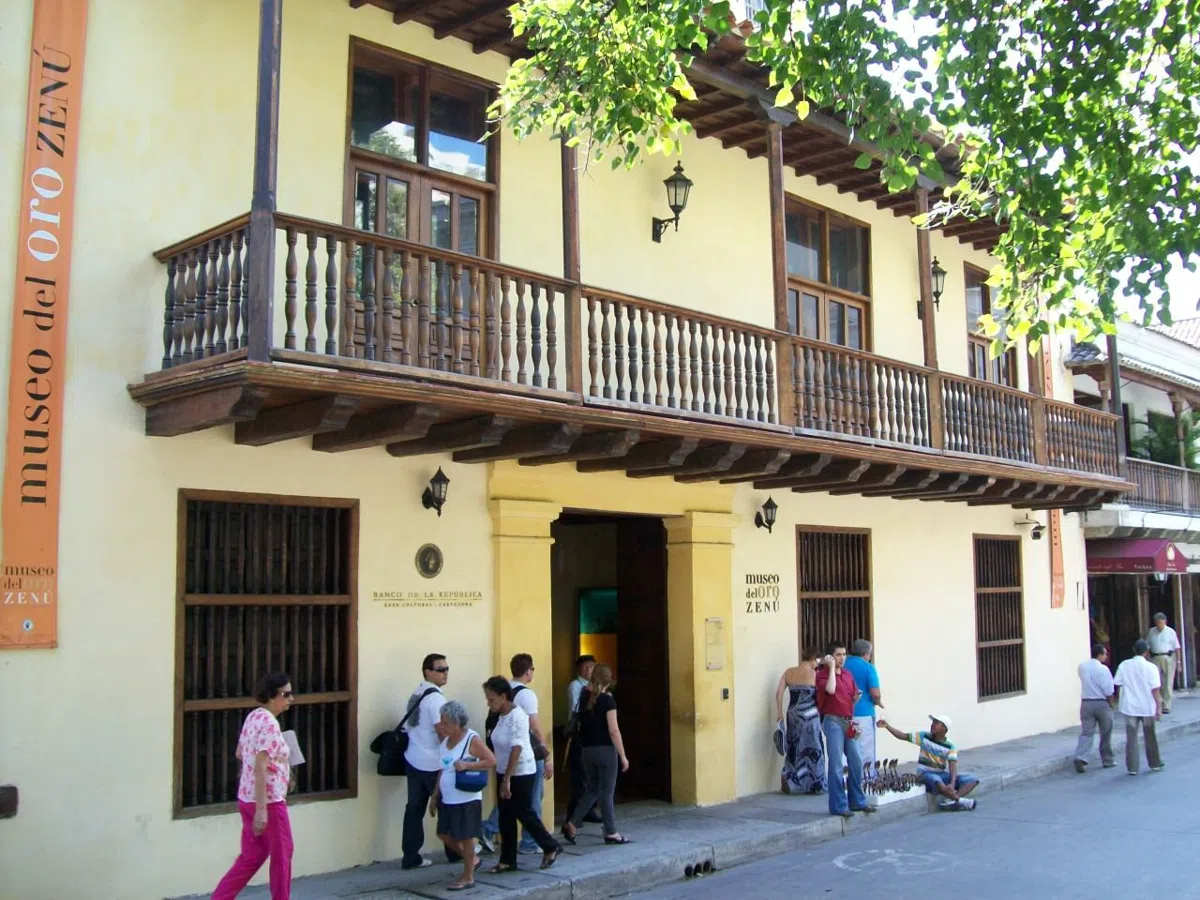
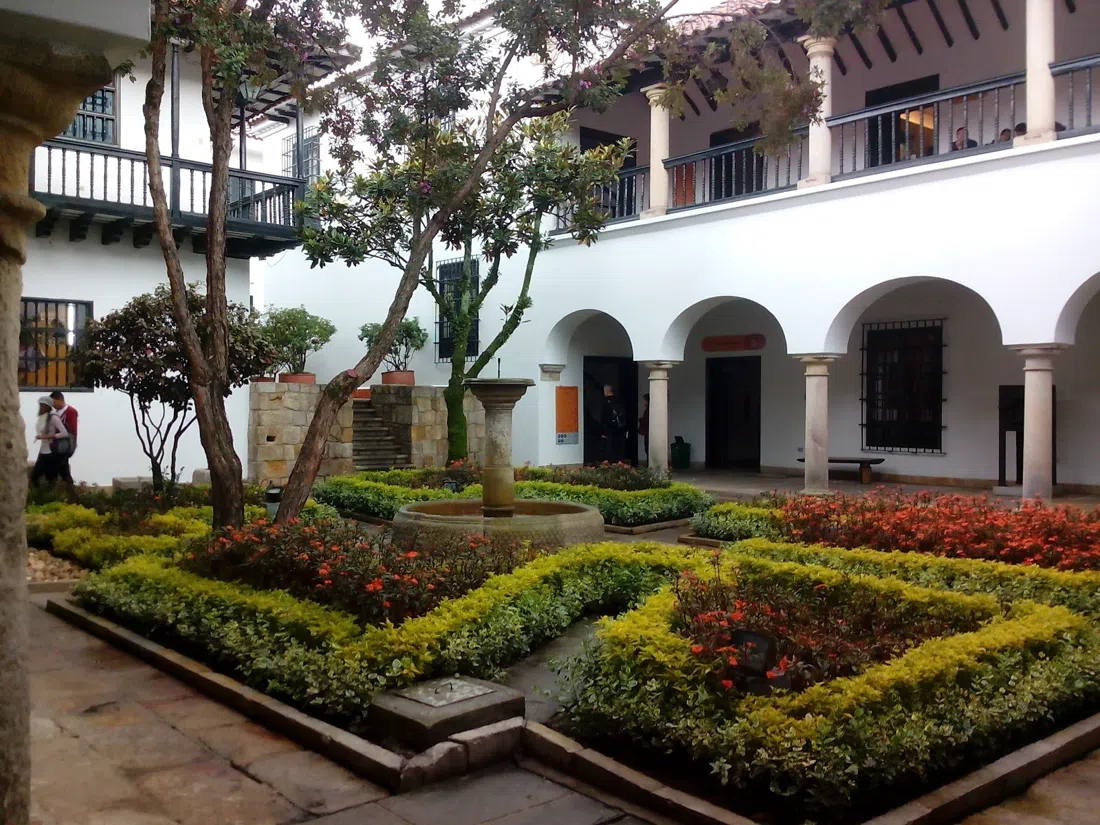
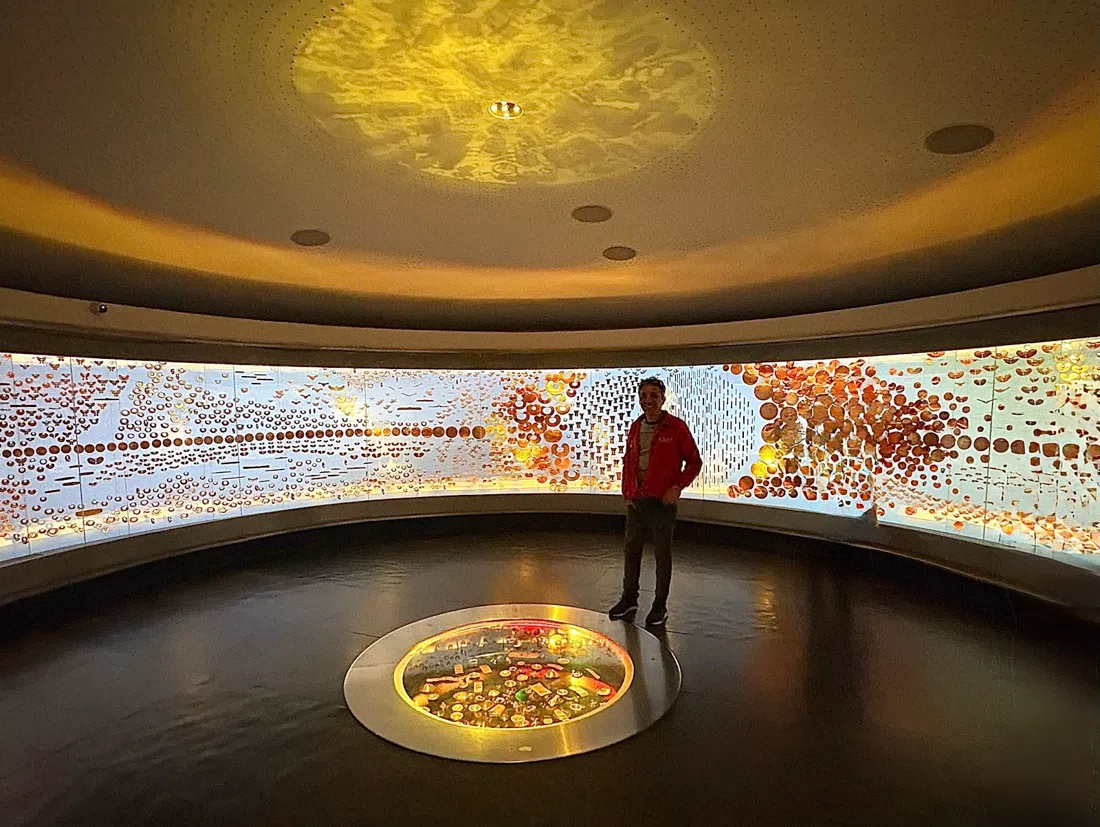
Two minutes away, on the same Banco de la República cultural block, the Museo del Oro (Gold Museum) tells Bogotá's other precious-material story, and it's worth folding in even if gold isn't why you came — it's the natural companion to the emerald trade, both being extraction economies that shaped the country long before either metal or stone reached a jewellery case. Entry is COP 21,000 for foreign visitors, free on Sundays and for under-12s and over-62s, and it's large enough that school and tour groups book it with a simple prior reservation. Next door again, the Museo Casa de Moneda (Mint Museum) is smaller, free, and quiet — a genuine palate-cleanser between the crowds at the Gold Museum and the hustle of the trading floor, and it handles groups without any fuss. It closes Tuesdays, so don't plan your one Bogotá museum morning around it on the wrong day.
The Trading Floor Itself
Everything above is preamble to the Emerald Trade Center (Centro Internacional de Comercio de Esmeraldas), the building on Avenida Jiménez that the whole district — and this whole article — orbits. It's open for floor-to-floor browsing, no ticket required, and inside you'll find dozens of stalls and small trading rooms, some slick and certificate-backed, some considerably less so. That inconsistency is the honest headline: quality genuinely varies stall to stall, and a stone that looks identical to the one next to it can be priced, or misrepresented, very differently. Prices are unfixed and negotiation is normal; look for stores carrying RUCOM certification (Colombia's registry for legitimate emerald traders) if you're spending real money, and treat a seller who won't show you a certificate as a seller to walk away from.
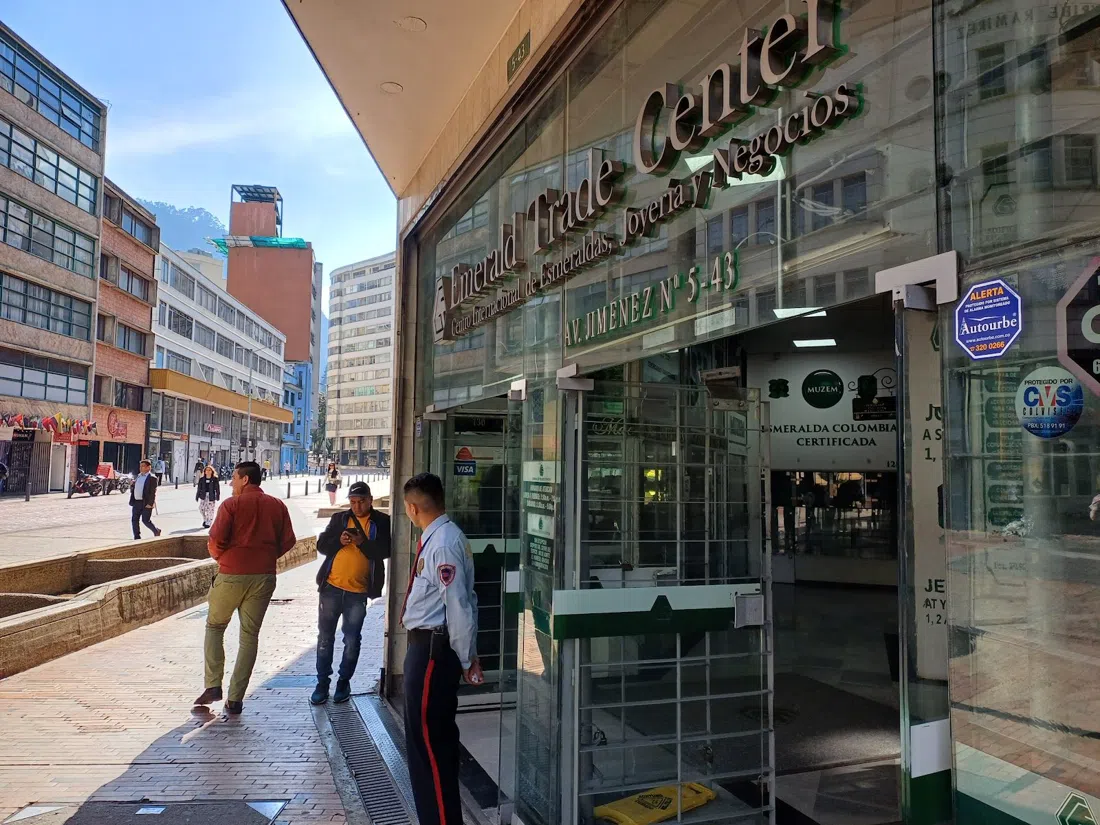
This is also the one venue in the district I'd actively steer solo travellers away from navigating alone. Larger parties are usually walked through as part of a guided tour rather than left to wander, and there's a good reason for that beyond convenience — a guide who works the building regularly knows which stalls are straight and which aren't, and can translate a negotiation you'd otherwise be doing blind. Go with one of the operators below rather than treating this as a self-guided stop.
Getting In With Someone Who Knows the Building
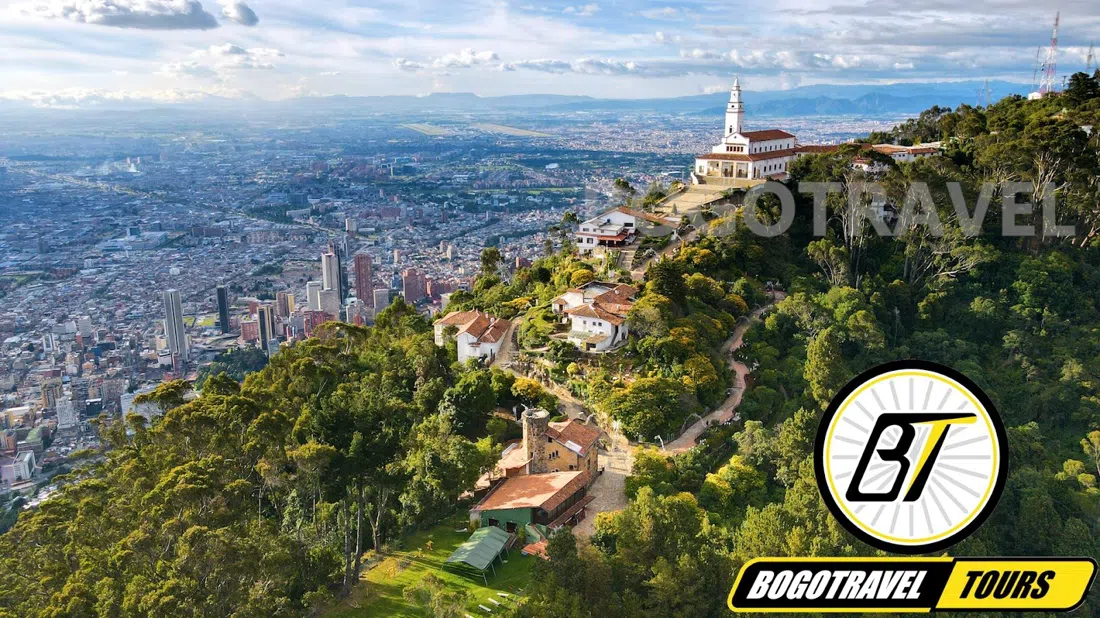
Bogotravel Tours, running since 1995, offers the only itinerary that walks the full arc — museum, then the formal Emerald Trade Center, then the informal street market outside it — as one connected tour, which is exactly the mine-to-market narrative this district is built on. It's explicitly priced for groups: USD 58 per person solo, sliding down to about USD 26 per person for a group of eight to ten, so it rewards travelling with company or joining a scheduled departure rather than booking a private slot alone.
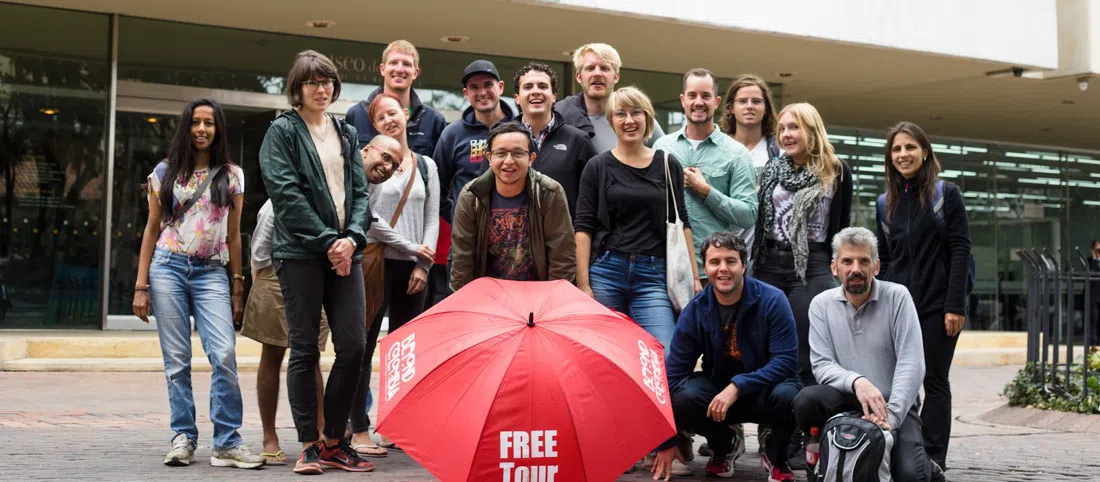
For a lower-commitment entry point, Strawberry Tours' Free Emerald Tour is pay-what-you-wish, runs as scheduled group departures, and caps numbers per slot so it doesn't feel like a herd — it's rated 4.87 across more than 260 reviews, which is a strong signal for a tip-based tour with no purchase pressure attached. It's the right choice if you want the story of the trade — mines, cutting, why Colombian stone commands a premium — without a hard-sell shop visit built into the route.
If you'd rather see the emerald district as one chapter in Bogotá's wider downtown story rather than the whole day, Beyond Colombia's Free Walking Tour Downtown Bogotá runs daily at 10:00 and 14:00, with shared departures capped at four people for the tip-based version and a private option if you're travelling as a larger group. It won't take you inside the Trade Center, but it's a smart way to place the gem district in context before or after you go looking for stones on your own.
Where to Actually Buy
If you want to leave with a stone rather than just a story, Emerald By Love, in La Candelaria, is the shop travel forums consistently flag as tourist-fair rather than tourist-trap — a family-run business over 40 years deep, mining and cutting its own stock rather than reselling through middlemen. It's free to visit, welcomes small groups and couples for private viewings or workshop visits by request, and jewellery starts around USD 100 depending on carat. Because visits are by request, it's worth messaging ahead rather than just turning up, especially if you want the workshop side of the visit rather than just the counter.
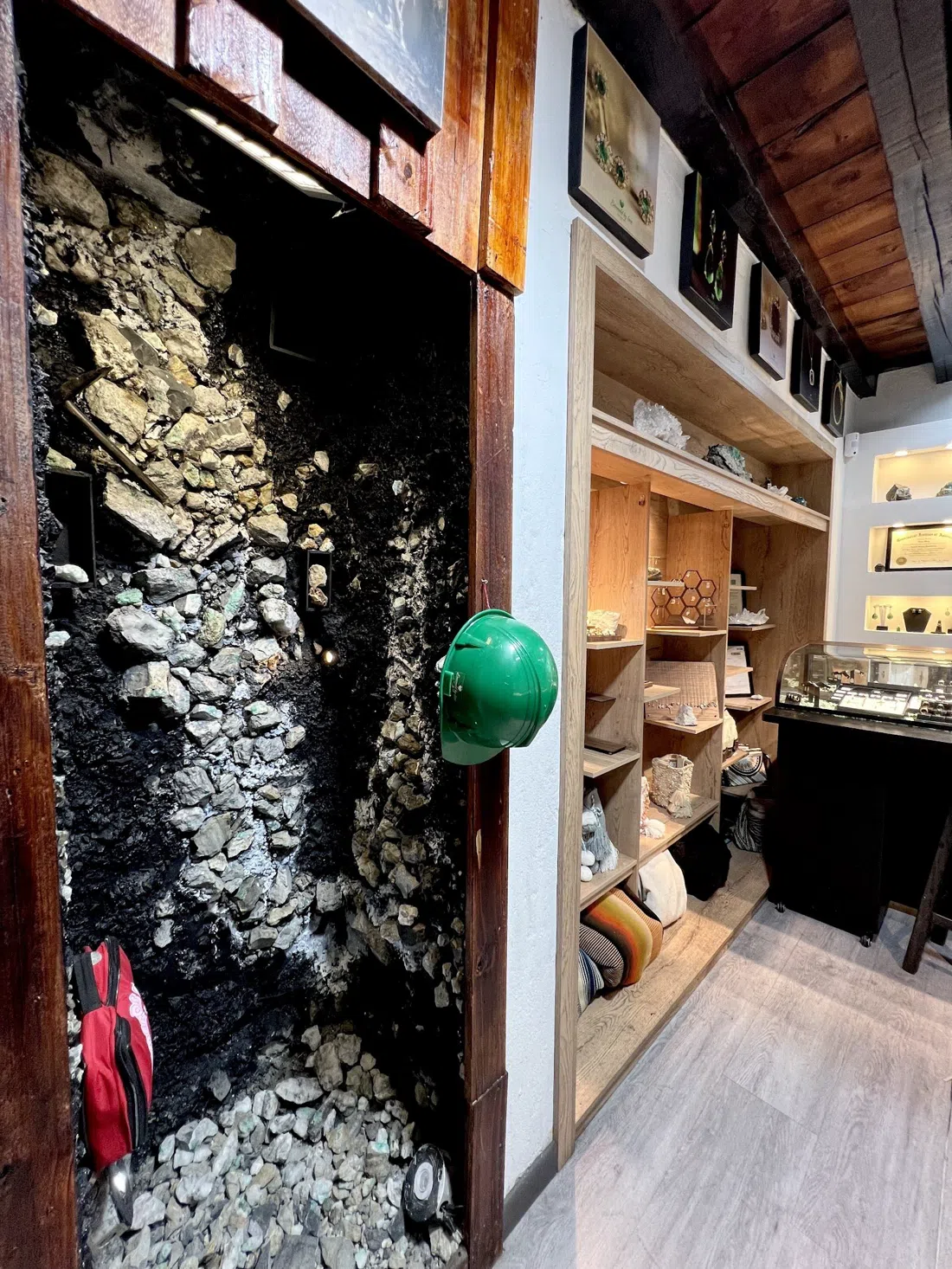
For the deeper version of the story — the trade behind the green gold, not just the retail end of it — Emerald Nation (Colombian Emerald Museum Corporation's private office) runs a two-hour private experience built specifically for pairs or small parties, by appointment only; it isn't set up for drop-ins. Pricing is confirmed on booking, typically USD 40–70 per person, and the pitch includes proceeds partly supporting Colombia's mining communities — worth mentioning to readers as a nice-to-have rather than treating it as the reason to book, since that kind of claim deserves a light editorial shrug rather than a hard endorsement either way. What it does deliver reliably is access: a private trading-house conversation about sourcing and pricing that the open floor of the Trade Center won't give you.
Cut Your Own Stone
Everywhere else in this district, you watch. At the Emerald Carving Workshop with master carver Andrés, you don't — spaces are deliberately, strictly limited to keep it one-on-one bench time rather than a group activity, and you leave having actually shaped a stone yourself rather than just bought or admired one. It's the strongest hands-on counterpoint to everything else on this list, and at around USD 50 per person it's not a large outlay for what is, realistically, a once-in-a-trip afternoon. Because capacity is so tight, this is the one venue on this list worth booking well ahead of your dates rather than trying to arrange on the day.
How to Sequence the Day
Couples and solo travellers: start at the Museo Internacional de la Esmeralda for context, walk to the Emerald Trade Center with the Strawberry Tours free walk or a Bogotravel Tours small-group slot rather than alone, then finish at Emerald By Love or the carving workshop with Andrés depending on whether you want to buy or make. Groups of six or more: Bogotravel Tours' full mine-to-market itinerary is built for exactly your numbers and gets meaningfully cheaper per head as the group grows. If gems aren't the whole trip, fold the Museo del Oro and Casa de Moneda in on the same morning — they're on the same cultural block and cost almost nothing in time or money.
If you're building out the rest of your stay, our Bogota guide covers the city beyond the emerald district, and Bogota hotel search is the fastest way to find somewhere central enough to walk to Avenida Jiménez rather than taxi in each morning.
Practical Notes
Getting there: The district centres on Avenida Jiménez between Carrera 5 and Carrera 7, in the Centro, an easy walk from La Candelaria and directly served by the TransMilenio's Jiménez station. Avoid driving yourself in — parking is scarce and street traffic in this stretch is dense on weekdays.
Timing: The Emerald Trade Center keeps standard trading hours — Monday to Friday, roughly 8am to 7pm, shorter on Saturday — so this is a weekday-morning or early-afternoon district, not a weekend or evening one. Build your visit around the Museo Internacional de la Esmeralda's Sunday closure and the Casa de Moneda's Tuesday closure if you want everything open on the same day.
Cash: Bring cash in Colombian pesos for street-level browsing and tips on the free tours; formal shops and the ticketed museums generally take cards, but negotiation on the trading floor happens in cash, and having some on hand keeps you from losing a deal to a card machine that's conveniently "down."
Budget: A free-tour-plus-museum morning can cost next to nothing beyond a tip and a COP 6,000 museum ticket. A guided Bogotravel Tours itinerary with a small group runs roughly USD 26–58 per person. A private Emerald Nation appointment or the Andrés carving workshop each land in the USD 40–70 range. An actual stone or piece of jewellery is the open-ended cost in this district — set a number before you walk in, and treat any seller who pushes past it as a reason to leave, not negotiate harder.
Safety and etiquette: This is a legitimate, long-running trade, not a scam district, but it is an unregulated street market layered on top of a formal one. Don't flash large amounts of cash, don't buy loose stones from unlicensed street sellers without a certificate, and if a deal feels rushed, it's being rushed on purpose. RUCOM certification is the one credential worth actually checking before money changes hands.